Why traditional networking events are broken — and what we built instead.
Elevator pitches. Name badges. Lukewarm chips. The format hasn’t worked for a long time. Here’s how FCC is different.
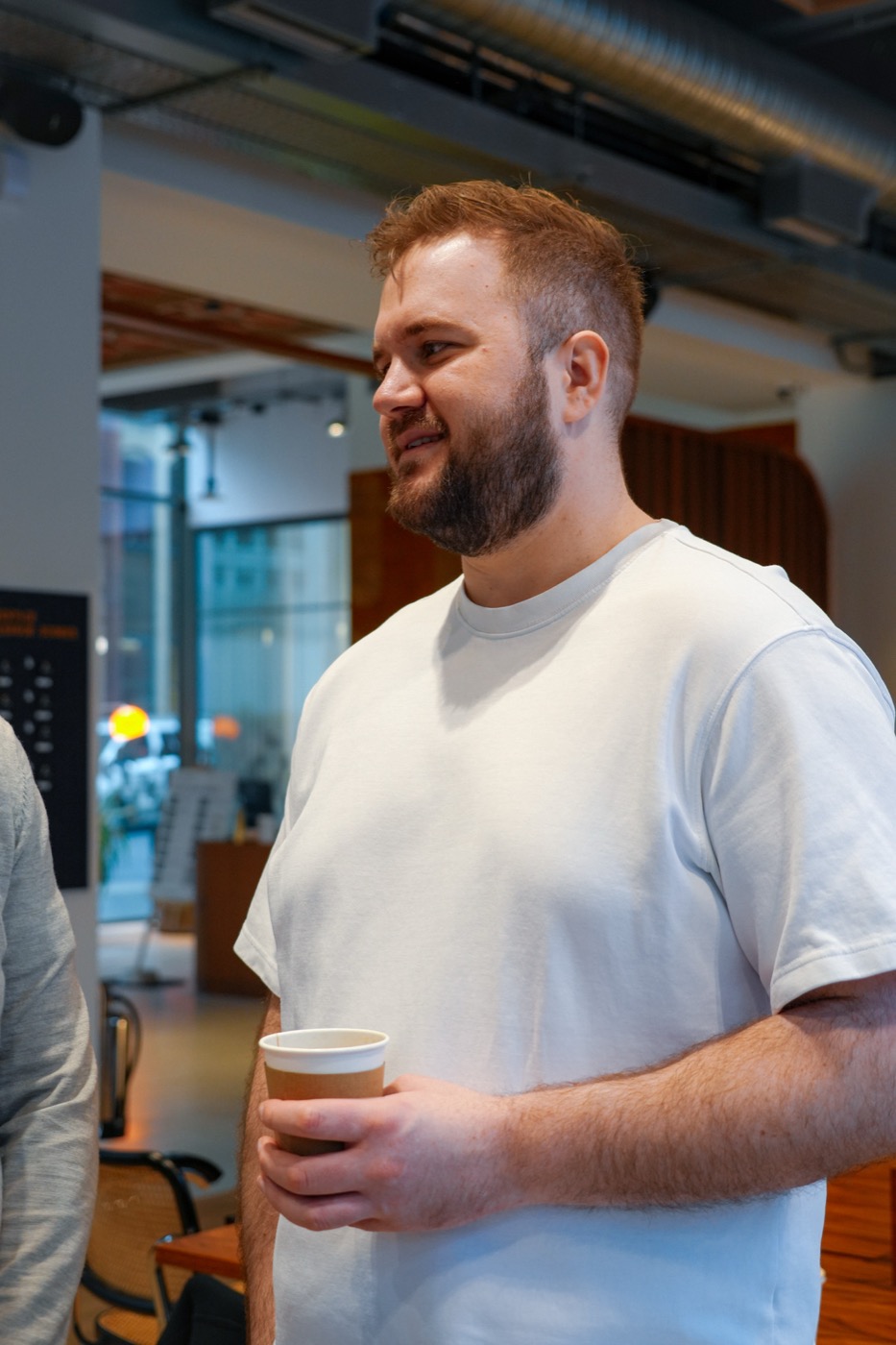
You know the format. Somebody hands you a name badge. There’s a lukewarm bowl of tortilla chips. You scan the room trying to figure out who you’re supposed to talk to, and within about four minutes someone’s handed you a business card and explained their “unique solution in the B2B SaaS space.”
That’s networking. And it’s been broken for a long time.
The problem isn’t the people
Most founders are brilliant. They’re building interesting things, solving real problems, doing it with limited resources and a lot of determination. The people in those rooms are genuinely worth knowing.
The problem is the format. The format gets in the way.
When you put a roomful of founders in a structured networking environment, something weird happens. Everyone performs. They give you the polished version — the LinkedIn headline version. They talk about what they’re building the way they’d describe it to an investor, not the way they’d describe it to a mate over coffee.
No one admits what’s actually hard. No one asks the questions they actually want to ask. Everyone’s there to make an impression, not have a conversation.
The formats we’d tried
Before FCC, we’d been to roundtables. Mastermind groups. Breakfast clubs. Speed networking (genuinely traumatic). Events with “keynote speakers” who turned out to be someone trying to sell you something for 45 minutes.
Some were better than others. But the thing that was always missing was simple: just talking to people without an agenda getting in the way.
What we changed
Founders Coffee Club exists because we wanted to strip the format back to what actually works.
No speeches. No presentations. No panels. No sponsors awkwardly introduced from a stage. No elevator pitches. No name badges with your job title on them.
Just founders, a room, and good coffee.
The host does a quick round of introductions — name, what you’re building, one thing on your mind right now. That’s it. Then the room does the rest.
What happens is that people actually talk. Not perform — talk. Someone mentions they’re struggling with hiring and three people in the room have been through exactly that. Someone else is thinking about raising and ends up having a twenty-minute conversation with someone who did it last year. Collaborations happen. Referrals happen. Sometimes friendships happen.
What you leave with
After every FCC, you get two things: event photos in your inbox and a LinkedIn list of everyone who was in the room. Because the follow-up is where most networking events completely fall apart. You had a good conversation, you never got their details, and by Thursday it’s gone.
Every FCC attendee leaves with photos from the session and a full list of who was there. The rest is up to you.
Why it works
The reason the FCC format works is because it respects everyone’s time and intelligence. Founders don’t need to be taught things by a speaker they didn’t choose to hear from. They don’t need a structured “value exchange” to make a connection worthwhile. They just need to be in a room with the right people, with the awkward bits removed.
Thirty minutes into your first FCC and you’ll forget it’s technically an event. That’s the whole point.